
You arrive in Miami, find the apartment and the landlord asks for a credit history you don't have yet. It's one of the first hurdles of moving to the U.S., but there are ways around it. Here is why landlords ask, what you can offer instead, what Florida law says about deposits and how to avoid the scams that target newcomers.
Prices updated every month: see the typical value of houses and condos, rent and flood insurance in each area in Miami home prices by area.
Why landlords ask for credit
When reviewing your application, the landlord or management company wants to know whether you'll pay rent on time. A credit history is the fastest way to check, so almost all of them ask for one. They also usually check your income (many ask you to earn a multiple of the rent, often around three times), your references and sometimes your background.
When you've just arrived, you have no U.S. history: your credit history from home generally doesn't appear with U.S. credit bureaus. That doesn't mean you can't rent. It means you'll need to make up for it with other evidence.
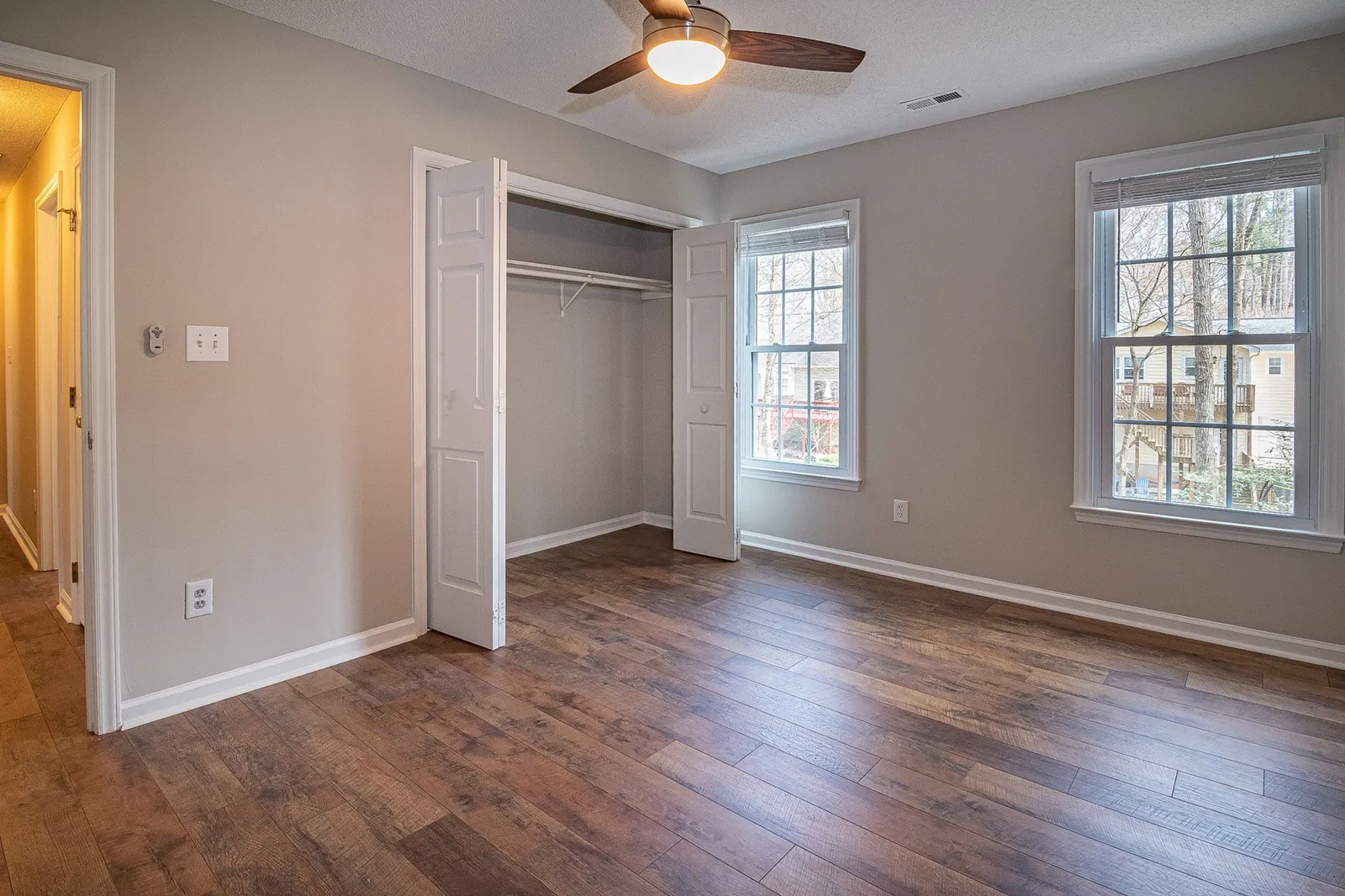
What renting in Miami costs
According to the U.S. Census Bureau (American Community Survey, 2020-2024 average), these are the reference figures:
| Figure | City of Miami | Miami-Dade County |
|---|---|---|
| Median gross rent per month | $1,758 | $1,829 |
| Owner-occupied households | 30.8% | 52.2% |
| Median household income per year | $62,462 | $71,753 |
| Foreign-born population | 57.7% | 54.5% |
Two useful takeaways. First, about 7 in 10 households in the City of Miami rent, so the rental market is huge and used to newcomers: more than half the population was born outside the U.S. Second, the Census median rent includes leases signed years ago and basic utilities, so it usually runs below what you'll see in today's listings. Treat it as a floor, not a market price.
What you can offer instead
Each landlord decides what to accept, so ask before paying an application fee. These are the most common alternatives:
| Alternative | What it is | Keep in mind |
|---|---|---|
| Proof of income | Job offer letter or contract, pay stubs or tax returns | It's the first thing they look at. If you're self-employed, bring several months of statements |
| Proof of savings | Recent bank statements, from the U.S. or your home country | Translate them if they aren't in English and black out details that aren't needed |
| Larger deposit | Paying more deposit than usual | Florida has no legal cap. It must be returned at the end if there's no damage or unpaid rent |
| Prepaid rent | Paying several months of rent at signing | Lowers the landlord's risk, but ties up your money. Get it in writing in the lease |
| Guarantor or co-signer | Someone with good U.S. credit who signs and is liable if you don't pay | They're genuinely liable: choose someone you trust and explain the commitment |
| Guarantor company | A company that acts as your guarantor for a fee | Not every building accepts them, and the fee is usually non-refundable |
| References | Letters from previous landlords or your employer | Most helpful with individual landlords |
Individual landlords tend to be more flexible than large, professionally managed buildings with fixed criteria. If a building turns you down for lack of credit, ask directly whether they accept a larger deposit or a guarantor before ruling it out.
What Florida law says about deposits
In Florida, residential leases are governed by the state landlord and tenant law (Chapter 83). Since 2023, that law overrides local rules, so the same rules apply in Miami as anywhere else in the state. On deposits and advance rent (section 83.49):
- There is no legal cap. The landlord can ask for whatever deposit it sees fit, and you can negotiate it.
- It must be kept in a separate account at a Florida bank, or covered by a surety bond, and can't be used until it's due.
- You must be told in writing where it is held within 30 days of payment, or in the lease. This doesn't apply to landlords renting fewer than five units.
- When the lease ends, the landlord has 15 days to return it if there's no claim. To keep part of it, the landlord must notify you in writing within 30 days, stating the reason and amount. You have 15 days to object in writing.
The law also lets landlords offer a non-refundable monthly fee instead of a deposit (section 83.491). It's optional: it must be offered in writing, you can choose a regular deposit and switch to it at any time. Note that the fee isn't returned and doesn't cover your damages; if you leave debts, you can still be charged for them.
Your rights as a foreign tenant
The Fair Housing Act prohibits housing discrimination based on race, color, national origin, religion, sex, familial status or disability. A landlord can set financial requirements, such as income or a deposit, as long as they apply them equally to everyone. What they can't do is turn you down because of your country of origin or your accent. If you believe you've been discriminated against, you can file a complaint with the Department of Housing and Urban Development (HUD).
The flood disclosure
Since October 1, 2025, for leases of one year or longer, the landlord must give you a flood disclosure at or before signing, in a separate document (section 83.512). It states whether the landlord knows of flooding that damaged the unit during their ownership, whether they filed a flood insurance claim and whether they received assistance, for example from FEMA. The disclosure also notes that renters insurance generally doesn't cover flood damage: we explain how to insure your belongings in our guide to home and flood insurance in Miami.
If the landlord doesn't provide it and a flood causes you a substantial loss, 50% or more of the value of your belongings, you can terminate the lease in writing within 30 days. Before signing, also check the address's risk zone on the FEMA flood map.
How to avoid scams
Rental scams especially target people searching from abroad or who have just arrived. According to the Federal Trade Commission (FTC), these are the warning signs:
- You're asked to pay by wire transfer, gift cards or cryptocurrency. It's like sending cash: you'll rarely get it back.
- You can't see the apartment, because the "owner" is out of the country or keeps making excuses.
- You're pressured to decide quickly or the price is far below the area's.
- You're asked to pay before signing or before meeting anyone.
- The same listing appears under other names or the home is listed for sale, not for rent.
Before paying, check who owns the property in the Miami-Dade Property Appraiser's records and, if you're dealing with an agent, verify their license in the Florida license search.
Your application folder
Having everything ready builds trust and speeds up the answer:
- Passport and, if you have them, your visa or work permit.
- Proof of income: offer letter, contract or pay stubs.
- Bank statements from recent months.
- References from previous landlords or your employer.
- Your guarantor's details, if you're using one.
- ITIN or SSN, if you have one. If not, ask whether they accept applications without it.
Frequently asked questions
Can I rent without a Social Security number?
Yes. Many landlords accept a passport and an ITIN, or neither, if you make up for it with income, savings, a deposit or a guarantor. Ask before paying the application fee.
How much deposit can a Florida landlord ask for?
The law sets no cap. You agree on it with the landlord, who must return it within the legal deadlines if there's no damage or unpaid rent.
Does my credit history from home count?
It generally doesn't appear with U.S. bureaus, although services exist that translate it for some countries. Letters from your bank or previous landlord can help with individual landlords.
Does renters insurance cover floods?
Usually not. Florida law itself says so in the flood disclosure. If the home is in a risk zone, ask about separate flood coverage for your belongings.
Does paying rent build my credit?
Only if someone reports it to the credit bureaus. Some management companies and services do; ask. Meanwhile, a secured card is the most direct way to start.
Next step
To make your next lease easier, start your history now with our guide to building credit without an SSN. And if you've just arrived, see how to open an account without an SSN and our moving to Miami guide.
Sources
- Florida Statutes 83.49: Deposit money or advance rent
- Florida Statutes 83.491: Fee in lieu of security deposit
- Florida Senate: HB 1417 (2023), residential tenancies
- FTC: Rental listing scams
- HUD: Housing discrimination under the Fair Housing Act
- Miami-Dade Property Appraiser
- Florida DBPR: License search
- Florida Statutes 83.512: Flood disclosure in residential leases
- U.S. Census Bureau: QuickFacts, Miami city and Miami-Dade County (ACS 2020-2024)
- HUD: Report housing discrimination
- FEMA: Flood Map Service Center